
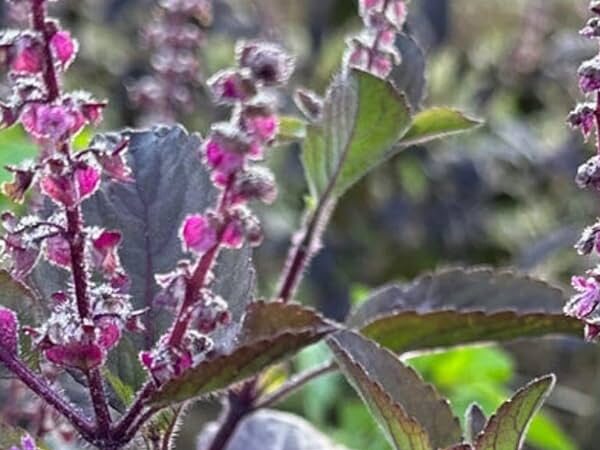
Buy Tulsi (Holy Basil) Plant Online
Buy Tulsi (Holy Basil) Plant (Ocimum tenuiflorum) online from HerbalPlantsLive and grow a healthy, nursery-grown sacred and medicinal herb in your home, herbal garden, or kitchen garden. Tulsi is one of India’s most revered plants, admired for its aromatic green leaves, attractive branching habit, and long-standing importance in Ayurveda, Siddha, traditional gardening, and spiritual practices. Moreover, it is an excellent choice for herbal gardens, medicinal plant collections, kitchen gardens, and home landscapes.
Our Tulsi Plant is carefully nursery-grown to develop a healthy root system before dispatch. Therefore, every plant is well-rooted, healthy, and securely packed to help ensure it reaches you in excellent condition.
The Tulsi (Ocimum tenuiflorum) Plant grows well in warm tropical climates and thrives in full sunlight with well-drained fertile soil. Furthermore, it requires minimal maintenance and produces abundant aromatic foliage throughout the growing season. Whether you’re creating a traditional herbal garden, cultivating aromatic herbs, or growing a sacred plant at home, you can buy Tulsi Plant online with confidence from HerbalPlantsLive.
Botanical Information
Binomial Name – Ocimum tenuiflorum L.
Scientific classification
Common Name
- ✅ Holy Basil
- ✅ Sacred Basil
- ✅ Tulsi
Regional & Traditional Names in India
- ✅ Tamil: Tulsi (துளசி)
- ✅ Sanskrit: Tulasi
- ✅ Hindi: Tulsi
- ✅ Malayalam: Tulasi
- ✅ Telugu: Tulasi
- ✅ Kannada: Tulasi
- ✅ Marathi: Tulsi
- ✅ Gujarati: Tulsi
- ✅ Bengali: Tulsi
Features
- ✅ Healthy, nursery-grown live herbal plant.
- ✅ Botanical Name: Ocimum tenuiflorum (synonym: Ocimum sanctum).
- ✅ Commonly known as Tulsi, Holy Basil, or Sacred Basil.
- ✅ An aromatic evergreen herb with fragrant green or purple-green leaves and small flowering spikes.
- Suitable for home gardens, kitchen gardens, herbal gardens, balconies, terraces, and container gardening.
- ✅ Easy to grow and maintain in warm climates.
- ✅ Well-rooted plants carefully packed for safe delivery across India.
Growing Requirements
- ✅ Sunlight: Grows best in full sun and requires at least 4–6 hours of direct sunlight daily.
- ✅ Watering: Water regularly to keep the soil lightly moist. Avoid overwatering and ensure proper drainage.
- ✅ Soil: Prefers fertile, well-drained soil enriched with organic matter.
- ✅ Climate: Thrives in warm tropical and subtropical climates.
- ✅ Growth Habit: A compact, bushy herb that grows well in garden beds, grow bags, pots, and containers.
Traditional Uses
People have cultivated Tulsi (Ocimum tenuiflorum) for centuries in Ayurveda and other traditional Indian systems. They also grow Tulsi in homes, temples, and gardens because of its deep cultural, spiritual, and traditional significance. Many households cultivate the plant as part of their daily traditions and ornamental herbal gardens.
Culinary Uses
People commonly use fresh Tulsi leaves to prepare herbal teas, infuse beverages, and add a distinctive aroma to selected recipes. They also use the leaves in herbal drinks, soups, chutneys, and spice blends. Home gardeners often grow Tulsi for its fragrant foliage and its versatility in the kitchen.
Frequently Asked Questions (FAQs)
1. Can I grow Tulsi in a pot?
Yes. Tulsi grows very well in pots, grow bags, and containers with well-drained soil and adequate sunlight, making it ideal for balconies, terraces, and home gardens.
2. How much sunlight does Tulsi need?
Tulsi grows best with at least 5–6 hours of direct sunlight every day. Regular sunlight encourages healthy foliage and vigorous growth.
3. How often should I harvest Tulsi leaves?
You can harvest Tulsi leaves regularly once the plant becomes well established. Frequent harvesting and light pruning encourage bushier growth and continuous production of fresh leaves.
Plant Information & Botanical Resources
- ✅ Botanical Survey of India
- Official website: https://bsi.gov.in
- Useful for information on Indian flora and native plant species.
- ✅ The World Flora Online Consortium
- Official website: https://www.worldfloraonline.org
- Reliable source for accepted botanical names and taxonomy.
- ✅ Royal Botanic Gardens, Kew
- Official website: https://www.kew.org
- Excellent resource for botanical information and plant conservation.
- ✅ Tamil Nadu Agricultural University
- Official website: https://tnau.ac.in
- Helpful for general gardening and cultivation information.
Disclaimer
The information provided about Tulsi (Ocimum tenuiflorum) is intended for gardening, botanical, educational, culinary, and general informational purposes only. References to traditional and culinary uses are based on historical and cultural practices and should not be considered medical advice, diagnosis, treatment, or prevention of any disease.
HerbalPlantsLive supplies live Tulsi plants for gardening, cultivation, botanical collections, educational purposes, culinary use where appropriate, religious and ornamental purposes, and other lawful uses only. Before using any part of the plant for medicinal, culinary, or other specialized applications, please ensure proper identification and preparation and consult a qualified professional where appropriate. Plant height, leaf size, aroma, colour, and overall growth may naturally vary depending on the season, climate, soil conditions, and growing practices.


Reviews
There are no reviews yet.